Does the Body Keep the Score?
PART ONE
Let me preface what I’m about to discuss by saying I love AA and the 12-Step program. It truly saved my life, and I will be eternally grateful for this divinely inspired organization. A big thank you for the 40+ years of sobriety it has given me.
Most reputable treatment facilities use the 12 Steps as a major part of their work. It’s free, it’s everywhere, and it’s available all the time. People like me need the camaraderie and ongoing support it offers.
One of its traditions or guiding principles states, “Alcoholics Anonymous should remain forever nonprofessional…” 12 Traditions #8.
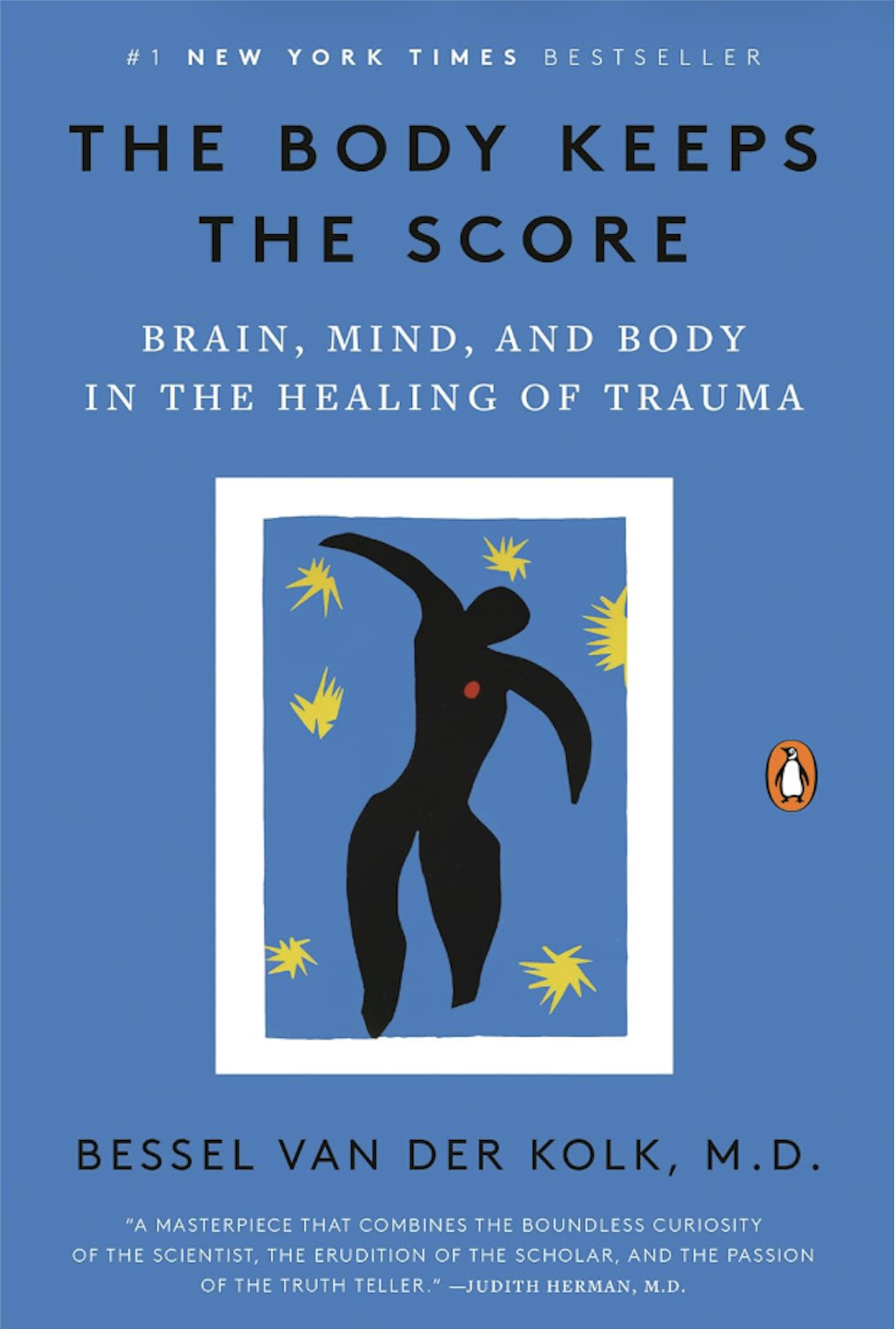
The 12 Steps and 12 Traditions have kept this organization alive and thriving for almost 100 years! So, back to the title of this post and the book I’m referencing. Steps 4 and 5 talk about a critical component of building a new life in sobriety. Quitting all alcohol and drugs, as wonderful as that may be, is just the beginning of that new life.
For most in recovery, myself included, there was past carnage that needed to be dealt with and cleared away. Steps 4 and 5 are the two main steps that help do just that. You cannot skip these two steps and expect to move on in recovery.
4. Made a searching and fearless moral inventory of ourselves.
5. Admitted to God, to ourselves, and to another human being the exact nature of our wrongs.
These two steps show how to effectively deal with the wreckage of the past. A common metaphor is that of a tornado. Everyone is glad when the tornado stops spinning and passes by, but it usually leaves a mess to clean up. I know “mine” did.
If I were so bold as to offer a slight modification to these two steps, I’d include not only the wrongs I committed (there were many) but also the wrongs done to me. Here’s what I’m getting at.
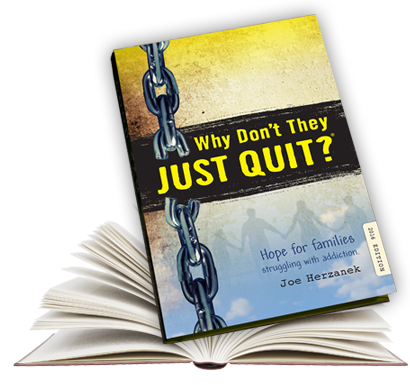
After more than three decades of working in addiction recovery as a Prison Chaplain, including Family Groups, Individual Counseling, Christian Church/Celebrate Recovery Groups, and more, I’ve seen many situations in which professional counseling is part of recovery.
Why do I say that? A very high percentage of men and women who have struggled with substance abuse are also victims. Many carry past trauma and needless shame and, without professional counseling, remain stuck. Trauma plays a major role in many lives. It’s an “I don’t want to talk about it” topic that must be addressed. And talk therapy is the most effective way to overcome past trauma. As wonderful and helpful as a sponsor in AA can be, there may come a time when a professional can make a big difference. Trauma is a difficult challenge and must be handled with care.
Trauma is a deeply distressing or disturbing experience that causes significant, lasting emotional, psychological, or physical harm, often resulting in fear, helplessness, and long-term dysfunction.
-Chaplain Joe Herzanek